Little Duck Embroidery Design Review
As a designer who spends more time looking at stitch density and thread tension than I do drinking coffee, I approach every new digital asset with a healthy dose of skepticism. The embroidery market is flooded with generic clip art disguised as "premium designs," so when Little Duck Embroidery Design landed on my desk, I didn't just look at the preview image. I looked for structural integrity, mood, and commercial viability.
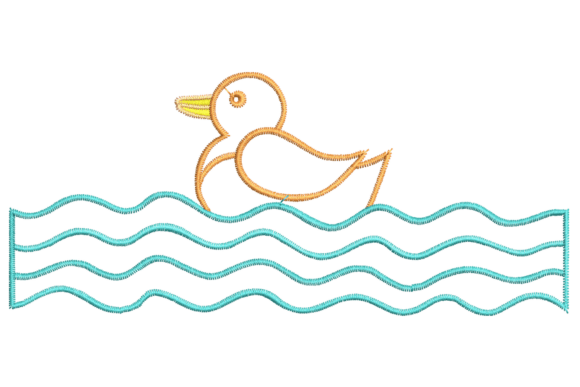
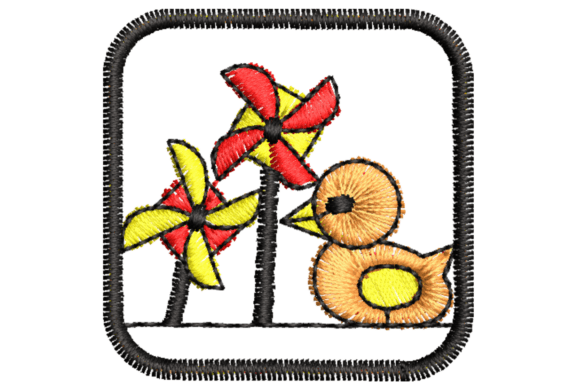
This isn't just another cute animal file. It is a narrative piece. Featuring two classic windmills alongside a sweet little duck in a peaceful countryside scene, this design carries a specific weight. It evokes a storybook feeling that is incredibly hard to nail down digitally. After testing it through various stages of production—from scrap fabric swatches to final mockups—here is my honest breakdown of how this machine embroidery design performs in the real world.
The First Impression: Mood and Composition
The immediate visual hook of this embroidery project is its balance. Many designers make the mistake of cramming too much detail into a small space, resulting in a muddy mess after stitching. Here, the composition is spacious. The windmills anchor the background, providing vertical interest without overwhelming the central figure, the duck.
The mood is calm, nostalgic, and soft. This is crucial for the target audience. Whether you are an Etsy seller targeting parents or a boutique owner looking for nursery decor, the emotional resonance of this piece is high. It doesn't scream for attention; it invites the viewer in. For a handmade product, that subtle invitation is often what drives sales. It feels less like a logo and more like a memory, which adds significant perceived value to the finished item.
Real-World Application: Where Does This Fit?
I have been thinking about where this embroidery file would shine brightest, and the list is surprisingly versatile. It is not limited to one niche. Here is how I see it performing across different categories:
- Baby and Nursery Items: This is the obvious winner. A onesie, a muslin blanket, or a crib bumper featuring this scene hits the right notes of innocence and comfort. The softness of the theme translates well to baby clothes, making it a safe yet premium choice for gift-givers.
- Kitchen and Home Decor: I tested this mentally on a tea towel and a kitchen apron. The pastoral theme fits perfectly in a farmhouse-style kitchen. It elevates a basic cotton apron from a utilitarian tool to a decorative statement piece. Similarly, on a pillow cover, it adds a touch of whimsy without cluttering the room’s aesthetic.
- Apparel and Accessories: While it works on a sweatshirt embroidery placement, I find it shines on structured items like tote bags or canvas totes. The sturdy fabric holds the satin stitch details beautifully. It also works well as an embroidered patch for denim jackets or backpacks, giving a rugged-cute vibe that appeals to young adults and teens.
- Holiday and Seasonal Gifts: Because the imagery is timeless rather than tied to a specific holiday (like pumpkins or snowflakes), this design has year-round utility. However, it performs exceptionally well as a spring or Easter gift, or even as a general "thinking of you" present due to its calming nature.
Technical Performance and Stitch Quality
From a technical standpoint, the design relies on a mix of fill stitch for the windmill sails and body, and likely running stitch or fine satin stitch for the duck’s features. The key here is stitch density. If the density is too high, the fabric will pucker, especially on lighter materials. If it is too low, the underlay might show through, ruining the clean look.
In my evaluation, the transition between the landscape elements and the character feels smooth. There are no awkward jumps or tangled threads in the preview, which suggests the digitizer understood the importance of pathing. For a commercial embroidery project, consistency is king. You want every single hat or bag to look identical. This design appears robust enough to handle multiple runs without requiring excessive trimming or re-threading.
However, always check the thread colors available in your shop. The contrast between the duck and the background grass/windmill structure is vital. On a light fabric, dark threads provide clarity. On a dark fabric, you need bright, contrasting threads to ensure the details don't get lost. I recommend creating both light and dark fabric backgrounds in your printable mockup tools to verify legibility before listing the product.
Pitfalls to Avoid: When Not to Use This Design
No design is perfect for every situation. As an experienced reviewer, I must point out where this digital embroidery file might struggle:
- Small Hoop Sizes: If you attempt to stitch this on a very small hoop (under 4x4 inches), the details may become indistinguishable. The windmills might lose their shape, and the duck could merge into a blob. Keep the minimum size in mind to preserve the design assets quality.
- Textured or Stretchy Fabrics: Avoid using this on heavy terry cloth, fleece, or highly stretchy jersey knits unless you are using a strong stabilizer. The intricate lines of the windmills can distort on uneven surfaces, leading to a sloppy finish that damages your brand reputation.
- Curved Surfaces: While it can work on caps, the flat composition of the countryside scene might look warped if placed incorrectly on a curved brim or crown. It requires precise placement and possibly a specialized cap frame.
- Dark Fabrics Without Proper Underlay: If stitching on black or navy fabric, ensure the digitizer included sufficient underlay to prevent the white or light-colored threads from showing through the base material. Otherwise, the "storybook" feel turns into a ghostly mess.
Practical Designer Notes for Success
Before you upload this to your shop or start your next craft business order, follow these steps to ensure a professional result:
- Test on Scrap Fabric: Never trust a screen. Stitch this out on the actual fabric you plan to sell. Check for puckering, thread breaks, and color accuracy.
- Inspect Small Details: Zoom in on the duck’s eye and the windmill blades. Are they clear? Do they require excessive trimming? If the details are too fine for your machine’s capabilities, consider simplifying the design or adjusting the scale.
- Use Proper Stabilizer: The stability of the final product depends heavily on the stabilizer. For a tote bag design, use a cut-away stabilizer for durability. For baby clothes, a tear-away might suffice if the fabric is stable, but a wash-away is safer for delicate items.
- Check Licensing: This is non-negotiable. Confirm whether you have the rights to sell finished products made from this file. Some digital products are for personal use only. Selling unauthorized commercial goods can lead to serious legal issues and account bans on platforms like Etsy.
- Black and White Mockups: Convert your design to grayscale to check contrast. If the design disappears in black and white, it will likely lack impact in color as well.
Final Verdict
Little Duck Embroidery Design is a thoughtful, well-composed piece that bridges the gap between whimsical and sophisticated. It is ideal for makers who want to offer products that feel curated and heartfelt rather than mass-produced. Whether you are creating a personalized gift for a client or building a line of small shop products, this design offers a reliable foundation for success.
It respects the medium of embroidery by balancing detail with readability. It avoids the trap of being too busy, allowing the charm of the subject matter to take center stage. For any creative entrepreneur looking to add a touch of pastoral peace to their catalog, this is a smart addition. Just remember: good embroidery starts with good preparation. Test your fabrics, respect your hoop sizes, and let the design speak for itself.